10 Steps to Business Energy Savings


Download the guide
Ten steps to business energy savings
Nobody likes spending more than they need to, and when it comes to business energy there are a lot of approaches you can take to reduce your spend…
We're better than Business Energy comparison sites
If you're looking to get the best energy deal on your small or medium sized business then we can help!
We're better than a comparison site which just compares the prices of energy on that day, instead we give you a full view that considers how the market is performing at that time.
The best energy rates for Small and Medium Businesses
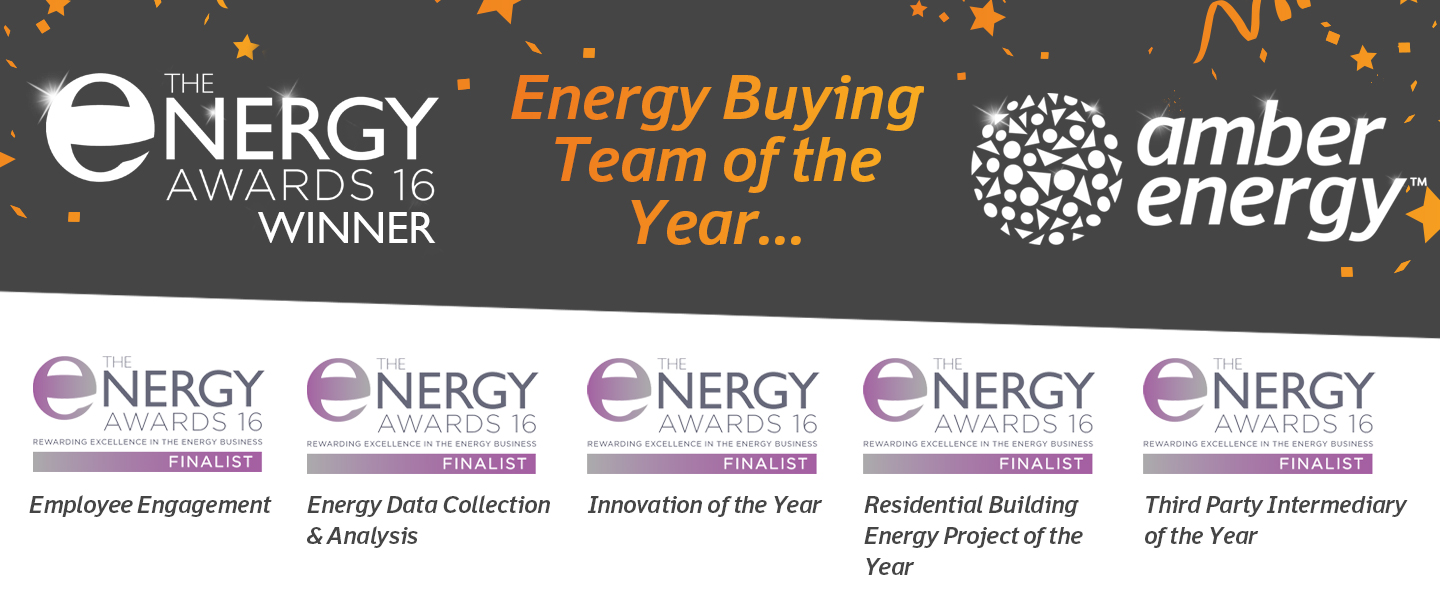
As part of an award-winning energy procurement team, amber energy predicts the market to secure energy at the point in the market where the cost of energy is the lowest.
That’s when we'll be looking to buy, unlike comparison sites which just look at the day your existing energy contract is finishing or the day you run the automated search.
We'll tell you exactly when to buy, aiming to get your the cheapest business energy deal possible.
"The Energy Comparison partner SME's have been praying for."
Gain a competitive advantage with lower energy costs.
You only have to look at the testimonials from our clients to understand how much hassle and guess work we take out of finding the best business energy prices.
We’re more than just a simple business energy comparison site.

At amber energy, we work with a wide range of businesses from large scale manufacturers to local, independent shops. Whether you're a large or small business, we can help you achieve the best price on your energy and deliver a fixed cost for a term of your choice.
We give your business energy deal a personal touch
Unlike small business energy comparison sites, we don't simply run an automatic algorithm to check the day's pre-set prices. That does mean we aren't instant, but we definitely aren't slow! We run the data, crunch the numbers and get back to you with the best prices. Before you make a decision, wait for our quote to come through - we guarantee that you won't be disappointed!
Understanding your business energy profile
Before you can make meaningful savings, it's essential to understand how your business uses energy. Every organisation has a unique consumption pattern driven by its operating hours, equipment, building type and even the season. By analysing your usage data, you can identify where energy is being wasted and where efficiency improvements will have the greatest impact. This isn't just about switching supplier – it's about building a complete picture of your energy footprint.
Start by gathering at least 12 months of energy bills and interval data if available. Look for anomalies: spikes outside normal hours, unexplained increases month-on-month, or usage that doesn't align with your business activity. Many businesses discover that a significant portion of their energy is consumed when no one is on site – from equipment left on standby to heating or cooling systems running unnecessarily. Understanding these patterns is the first step towards reducing waste and lowering costs.

Our Data Analytics for Utilities service can help you turn raw meter data into actionable insights, highlighting opportunities you might otherwise miss. The more you know about your energy profile, the better equipped you are to negotiate contracts, implement efficiency measures and monitor progress over time.
Setting realistic energy reduction targets
Once you understand your baseline consumption, the next step is to set clear, achievable targets for reduction. These should be specific, measurable and aligned with your business objectives. For example, you might aim to reduce overall electricity use by 10% within 12 months, or to cut gas consumption in one particular building by 15%. Without targets, energy-saving initiatives often lose momentum and fail to deliver lasting results.
Involve your team in the target-setting process. Employees are often the first to notice inefficiencies – lights left on, doors left open, machinery running unnecessarily. By engaging them and explaining the financial and environmental benefits, you create a culture of energy awareness that supports your goals. Consider appointing an energy champion in each department to monitor usage and encourage best practice.
It's also important to review your targets regularly. As you implement changes, your consumption patterns will shift, and new opportunities may emerge. A quarterly review allows you to adjust your approach, celebrate successes and maintain momentum. Remember, energy management is not a one-off project but an ongoing process of improvement.
Implementing low-cost and no-cost measures
Many of the most effective energy-saving actions cost little or nothing to implement. Simple behavioural changes can yield significant savings, especially across multiple sites or departments. Start with the basics:
- Switch off: Encourage staff to turn off lights, computers and equipment when not in use. Install reminder stickers or automated prompts where appropriate.
- Optimise heating and cooling: Adjust thermostats by just one degree – this can reduce heating costs by up to 8%. Ensure timers reflect actual occupancy hours.
- Maintain equipment: Regularly service boilers, air conditioning units and refrigeration systems to keep them running efficiently. Clean filters and coils improve performance and reduce energy use.
- Use natural light: Where possible, rearrange workspaces to make the most of daylight and reduce reliance on artificial lighting.
- Seal drafts: Simple measures like draught-proofing doors and windows can cut heat loss and improve comfort.
These measures require minimal investment but can deliver immediate savings. They also demonstrate to your team that energy efficiency is a priority, paving the way for larger initiatives later on.
Investing in energy-efficient technology
For more substantial and long-term savings, consider investing in energy-efficient technology. Upgrading to LED lighting, for example, can reduce lighting energy consumption by up to 80% compared to traditional bulbs. Modern heating, ventilation and air conditioning (HVAC) systems are significantly more efficient than older models, and smart controls can optimise their operation based on occupancy and weather conditions.
Building management systems (BMS) allow you to monitor and control energy use across your entire site from a single interface. They can automatically adjust settings, flag anomalies and provide detailed reports to help you track progress. While the upfront cost can be significant, the payback period is often surprisingly short – typically two to five years for many technologies.
When evaluating investments, consider the total cost of ownership, not just the purchase price. Factor in energy savings, maintenance costs and any available incentives or tax relief. Our Business Energy Benchmarking service can help you compare your performance against similar organisations and identify where technology upgrades will deliver the greatest return.
Monitoring and reporting on progress
You can't manage what you don't measure. Regular monitoring and reporting are essential to ensure your energy-saving initiatives stay on track and deliver the expected results. Establish a simple reporting framework that tracks key metrics such as total consumption, cost per unit of output and carbon emissions. Share these reports with your team to maintain engagement and accountability.
Consider using energy management software or a dedicated Energy Bureau Service to automate data collection and analysis. These tools can provide real-time visibility, alert you to unusual usage and generate reports for different audiences – from operational staff to senior management. The more transparent your energy data, the easier it is to spot problems early and take corrective action.
Don't forget to celebrate successes. When you hit a milestone or achieve a significant reduction, acknowledge the contribution of your team. Positive reinforcement encourages continued effort and helps embed energy efficiency into your company culture.
Engaging your team for lasting change
Ultimately, the success of any energy-saving programme depends on the people who use energy every day. Engaging your team is not a one-off exercise but an ongoing conversation. Provide training on energy awareness, share progress updates and invite suggestions for improvement. When employees understand the impact of their actions – both on the bottom line and the environment – they are far more likely to change their behaviour.
Consider introducing incentives or friendly competitions between departments to encourage energy-saving ideas. Simple recognition, such as a monthly award for the most energy-conscious team, can be highly effective. The goal is to make energy efficiency part of your organisation's DNA, not just a box-ticking exercise.
By combining technical measures with cultural change, you create a powerful framework for sustained savings. And when you're ready to review your energy contracts, our team at amber energy can help you secure the best possible deal. We work with businesses of all sizes to reduce costs and manage risk – Energy Procurement & Risk Management is just one of the ways we deliver value beyond simple price comparison.